Experienced Auto Repair Services in Reading PA
Discover Full-Service Auto Repair Solutions to Keep Your Vehicle Running Flawlessly
Preserving a vehicle's performance necessitates a preventive approach to auto repair. Regular maintenance is essential to spot issues before they worsen. Understanding common services, such as oil changes and brake inspections, can aid in this process. Moreover, choosing a reputable repair shop can make a considerable difference. Examining these solutions can reveal how to keep a vehicle in peak condition, but the details of effective maintenance strategies may astonish many owners.
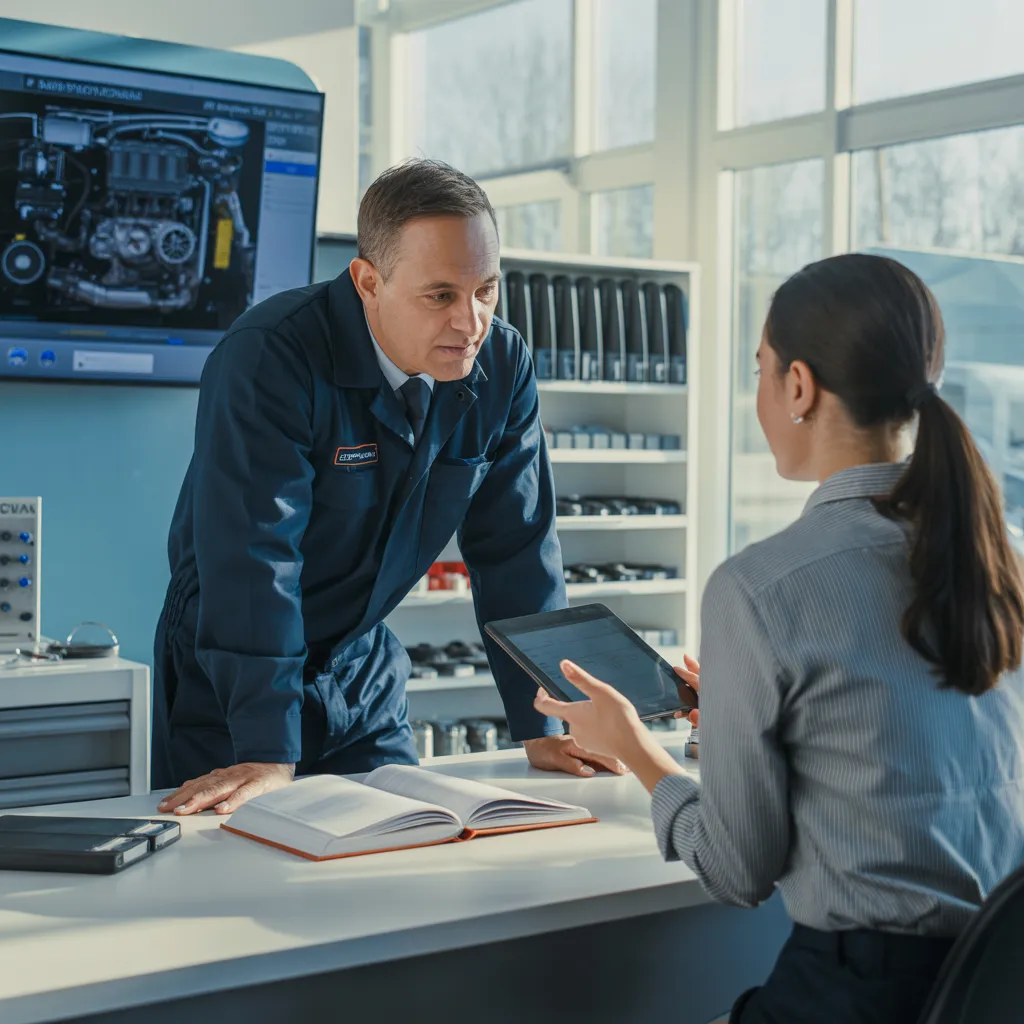
Value of Routine Maintenance
Though numerous car owners might neglect regular servicing, the significance of consistent maintenance cannot be emphasized enough. Regular maintenance serves as a proactive approach to vehicle ownership, considerably extending a car's lifespan and enhancing its performance. It assists in detecting possible problems before they develop into expensive fixes. In addition, periodic assessments can increase fuel effectiveness, verifying that the vehicle performs at its maximum potential. Safety is another critical aspect; well-maintained vehicles are less likely to experience breakdowns or accidents caused by mechanical failures. In addition, sticking to a service schedule commonly retains warranty benefits, supplying economic protection for vehicle owners. Finally, routine servicing is not just an advisory but a vital duty that straightforwardly influences a car's trustworthiness, protection, and complete value.
Common Car Repair Services
Standard auto repair services cover essential routine maintenance and critical brake system repairs. These services help ensure vehicles perform safely and efficiently, addressing wear and tear that can develop over time. Understanding these options helps vehicle owners make informed decisions regarding their automotive needs.
Preventive Maintenance Services
Routine maintenance services play an essential role in safeguarding a vehicle's longevity and performance. Such maintenance tasks usually involve oil changes, fluid assessments, tire rotations, and filter changes. Consistent oil changes support optimal engine condition, while checking fluid levels guarantees that all systems function effectively. Tire rotations facilitate balanced wear, increasing tire longevity and boosting safety. In addition, changing air and cabin filters enhances air quality and engine performance. By sticking to a systematic maintenance plan, automobile owners can discover possible issues at early stages, decreasing the chance of high-cost repairs. In summary, these fundamental services maintain a vehicle's dependability and performance, providing peace of mind for drivers and facilitating a smoother driving experience.
Brake System Repair Services
Brake system repairs are crucial for ensuring car safety and operational efficiency. This important component of auto maintenance encompasses several components, including brake pads, rotors, calipers, and brake fluid. Routine checks can detect damage, which, if ignored, may cause diminished stopping power and heightened accident potential. Common repair services involve installing new deteriorated brake pads, resurfacing or replacing rotors, and changing brake fluid to sustain hydraulic efficiency. Technicians employ assessment equipment to examine the entire braking system, verifying all components operate properly. Regular brake system repairs not only improve safety and also extend total vehicle durability, making them an critical element of comprehensive vehicle maintenance services. Drivers should prioritize these services to ensure reliable performance.
Comprehending Motor Diagnostic Testing
Engine diagnostics serve a crucial function in uncovering defects within a vehicle's engine, providing superior performance and long-term reliability. Automotive specialists frequently leverage diagnostic tools to gather and decode error codes issued from the vehicle's onboard computer system. Interpreting these codes is critical for effective troubleshooting and implementing appropriate repair solutions.
Value of Engine Diagnostics
While many vehicle owners may overlook the significance of engine diagnostics, recognizing this fundamental feature of car repair can avert high-cost repairs and optimize vehicle functionality. Engine diagnostics involves methodically assessing a vehicle's engine systems to discover potential issues before they worsen. Timely diagnostics can reveal problems such as misfires, fuel inefficiencies, and emissions failures, which, if left unaddressed, may cause considerable deterioration and high-priced maintenance. Furthermore, regular diagnostics help copyright optimal motor efficiency, improving gas mileage and prolonging the vehicle's lifespan. By focusing on engine diagnostic testing, vehicle owners can ensure their automobiles function properly, reduce the likelihood of breakdowns, and ultimately reduce expenses long-term. Committing to this maintenance is a proactive approach to vehicle upkeep.
Typical Assessment Devices
Successful engine diagnostics rely on a range of common diagnostic tools that aid mechanics in detecting and addressing vehicle issues. One essential tool is the OBD-II scanner, which connects to the vehicle's onboard diagnostics system, allowing technicians to retrieve trouble codes and monitor engine performance. Additionally, multimeters are essential for measuring electrical signals, helping diagnose issues connected to sensors and wiring. Compression testers examine the engine's internal health by measuring cylinder pressure, while timing lights verify that spark timing is properly aligned. Vacuum gauges can uncover manifold pressure issues, indicating potential leaks or blockages. Collectively, these tools deliver a thorough understanding of engine condition, allowing effective repairs and maintenance for peak vehicle performance.
Interpreting Trouble Codes
How do mechanics properly decode diagnostic codes to identify vehicle problems? Decoding these codes demands a combination of technical understanding and the use of specialized diagnostic tools. Mechanics utilize On-Board Diagnostics (OBD-II) systems to retrieve codes that indicate specific problems within the vehicle. Each code corresponds to a particular issue, ranging from engine misfires to sensor failures. Experienced technicians examine these codes in tandem with real-time data from the vehicle's performance metrics. This integrated approach allows them to identify the root cause of the problem rather than merely addressing symptoms. Furthermore, staying updated with manufacturer guidelines and service bulletins enhances their ability to interpret diagnostic codes successfully, ensuring precise and efficient repairs that keep vehicles running smoothly.
Brake System Services and Safety
Maintaining vehicle safety relies heavily on the quality of brake services. Appropriate brake maintenance is crucial for averting accidents and ensuring optimal vehicle operation. Regular inspections can identify worn pads, damaged rotors, or fluid leaks that may undermine braking performance. Technicians emphasize the importance of addressing these issues immediately to avoid more severe damage and costly repairs in the future. Furthermore, understanding the signs of brake wear, such as grinding noises or reduced responsiveness, can aid drivers in seeking timely assistance. Routine brake service not only enhances safety but also extends the lifespan of braking components. Finally, a well-maintained brake system is necessary for maximum vehicle performance and driver confidence on the road.
Selecting the Right Auto Repair Shop
Picking the right auto repair shop can significantly impact the quality of vehicle maintenance and repairs. It is vital for vehicle owners to consider several factors when making this choice. Initially, researching the shop's reputation through online reviews and suggestions from friends can provide valuable information. Furthermore, verifying certifications and qualifications of the mechanics confirms that the shop has the necessary expertise. A reliable auto repair shop should also offer transparent communication regarding services and repairs, allowing customers to make informed decisions. Furthermore, a clean and organized and spotless facility often reflects the professionalism and commitment of the technicians. In the end, choosing a reputable auto repair shop can lead to lasting vehicle health and increased safety on the road.
Cost-Effective Services for Car Maintenance
Although vehicle maintenance can occasionally seem expensive, there are many budget-friendly solutions that can help owners manage their expenses without sacrificing quality. Regular preventive maintenance, access this information such as oil changes and tire rotations, can increase a vehicle's lifespan and minimize the likelihood of expensive repairs. Employing DIY techniques for minor repairs or routine checks can also conserve money, while keeping up with recalls and warranty services makes certain that owners take full advantage of manufacturer support. Additionally, shopping around for competitive auto repair rates and looking for local mechanics can generate significant savings. By emphasizing maintenance and adopting a proactive approach, vehicle owners can keep their cars in prime condition without overspending.
Your Questions Answered
How Often Do I Need to Change My Oil?
Usually, it is suggested to change oil every 3,000 to 5,000 miles, according to the vehicle and oil type. Consistent maintenance provides peak engine performance and longevity, preventing potential issues and encouraging smoother operation.
What Are the Warning Signs of Transmission Problems?
Indicators of transmission difficulties include slipping between gears, abnormal noises, fluid leaks, warning lights, delayed shifting, or a burning smell. Timely addressing of these signs can avoid further damage and ensure vehicle safety and dependability.
Am I Able to Handle My Own Vehicle Maintenance?
Yes, individuals can perform their own vehicle maintenance if they possess the necessary tools, knowledge, and skills. However, they should guarantee they follow safety protocols and manufacturer guidelines to avoid potential mistakes or safety hazards.
What Should I Do When My Check Engine Light Comes On?
When the check engine light appears, one should first examine for an improperly secured gas cap, then use an OBD-II scanner to diagnose the issue, and consult a professional mechanic if essential for further evaluation.
How Can Weather Conditions Impact Your Vehicle's Performance?
Weather patterns substantially impact vehicle performance. As an example, extreme temperatures can influence battery performance, while precipitation can decrease traction and extend stopping distances, demanding adaptations in vehicle operation and vehicle maintenance approaches for safety.